980-375-9959 Menu

A Bespoke Approach to Post-Weight Loss Reconstruction

Losing a significant amount of weight is one of the most demanding things a person can ask of their body. Skin, fascia, and soft tissue rarely come along for that journey. Dr. Broc Pratt has built a meaningful portion of his Charlotte practice around post-weight-loss and post-bariatric reconstruction. His background includes a general surgery residency at Carolinas Medical Center, dozens of gastric bypass procedures performed during training, and a research fellowship in minimally invasive surgery with Dr. B. Todd Heniford. Few plastic surgeons bring that depth of bariatric familiarity to the contouring side of the equation.

Body Contouring Overview

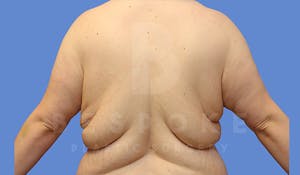
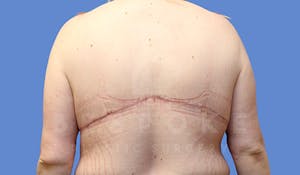
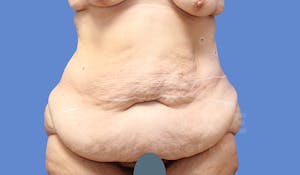
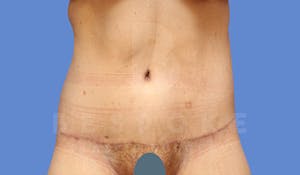
Body Contouring After Massive Weight Loss Before & After Photos

View More

What Is Body Contouring After Weight Loss?

Body contouring after massive weight loss removes loose, redundant skin and stretched tissues left behind after the body's volume changes dramatically. It is rarely a single operation. Most patients need a series of carefully sequenced procedures involving the abdomen, back, breasts, arms, and thighs. The American Society of Plastic Surgeons describes this as the step that helps patients complete their weight loss journey by addressing the skin envelope that the body cannot retract on its own.

Body contouring after weight loss commonly addresses:

  • Excess skin on the abdomen, often hanging as a pannus.
  • Loose, deflated tissue along the upper arms and inner thighs.
  • Sagging breast tissue and loss of upper-pole volume.
  • Redundant skin across the lower back, hips, and flanks.

How Post-Weight Loss Body Contouring Differs From Standard Procedures

Massive weight-loss patients are not interchangeable with the average tummy-tuck or liposuction patient. Tissue planes, skin elasticity, and nutritional status all behave differently, and surgical planning has to account for that. A study in Plastic and Reconstructive Surgery noted that body contouring after massive weight loss requires deliberate attention from both patients and surgical teams.

Reasons specialized expertise matters include:

  • Tissue quality: stretched, deflated skin behaves differently under tension.
  • Surgical staging: most patients need a sequenced plan, not one operation.
  • Scar planning: incision placement and length must be intentional.
  • Anesthesia: post-bariatric anatomy requires a familiar team.

Dr. Pratt's plan for you will be precise, calculated, and comprehensive.
Why Choose Dr. Pratt for Post-Bariatric Body Contouring in Charlotte, NC

Choosing the right surgeon is the most important decision in this process. Dr. Pratt brings the rare combination of plastic surgery expertise and direct bariatric surgical experience, and the difference shows in the operating room and the consultation room.

Reasons patients choose Dr. Pratt for body contouring in Charlotte, NC include:

  • Fellowship training in plastic and reconstructive surgery at The University of North Carolina at Chapel Hill.
  • General surgery residency at Carolinas Medical Center in Charlotte, NC.
  • Personal experience performing dozens of gastric bypass procedures during training.
  • Research fellowship in minimally invasive surgery with Dr. B. Todd Heniford.
  • Ambrose Paré Award from the American College of Surgeons.
  • An in-office operating room and anesthesia team familiar with post-bariatric anatomy.

That training is the foundation of the Bespoke Approach for these cases.

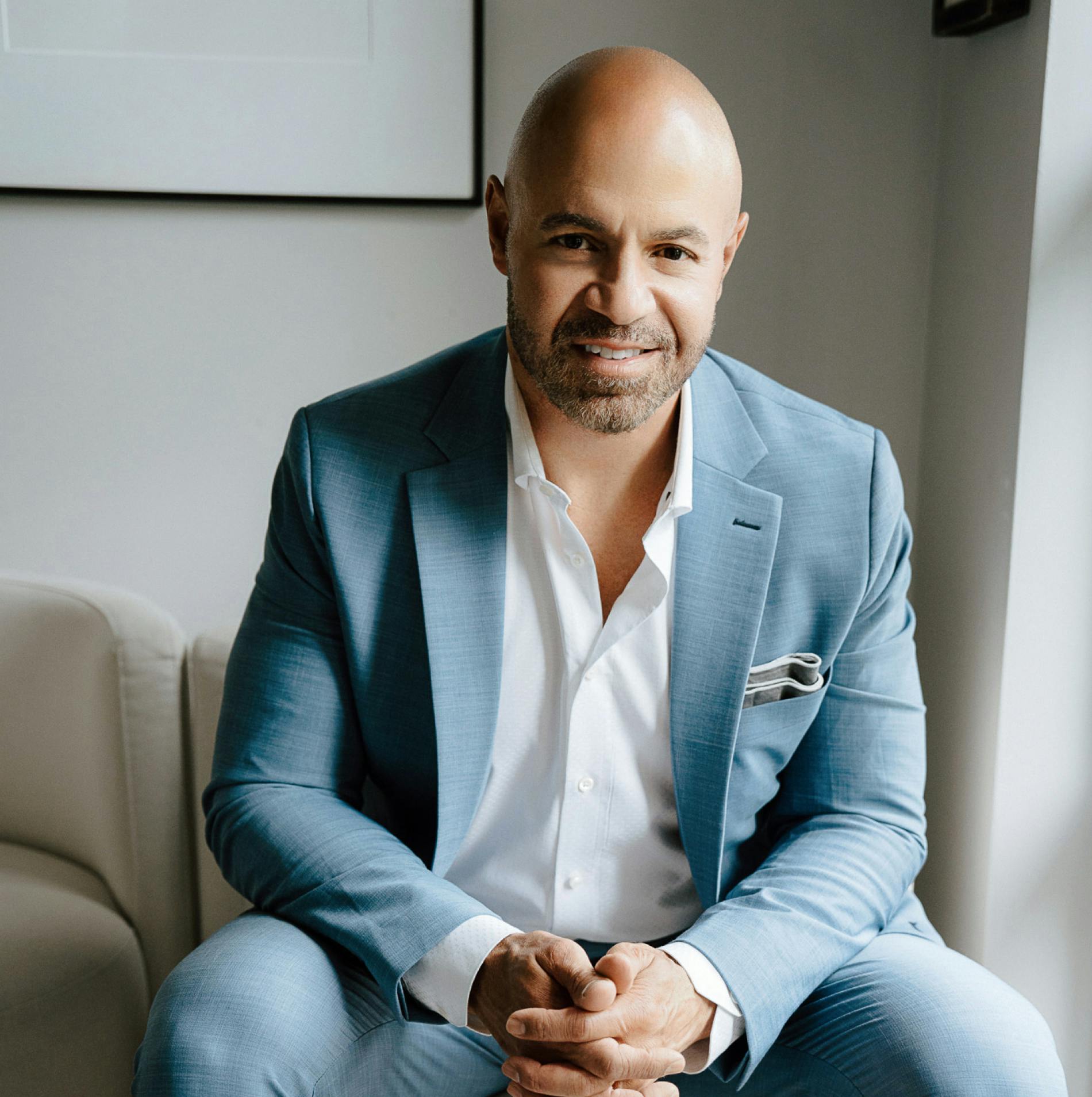
Dr. Pratt sitting in a blue suit and smiling

Am I a Candidate for Body Contouring After Weight Loss?

Candidacy is about stability, health, and timing more than the amount of weight you have lost. Patients who have lost weight through bariatric surgery, GLP-1 medications, or sustained lifestyle changes can all be appropriate candidates.

You may be a candidate for skin removal surgery in Charlotte, NC if you:

  • Have maintained a stable weight for at least three to six months.
  • Have completed 12 to 18 months of healing after bariatric surgery, when applicable.
  • Are in good general health and a non-smoker.
  • Have loose, hanging, or redundant skin affecting comfort, hygiene, or mobility.
  • Hold realistic expectations and understand recovery may involve staged procedures.

Dr. Pratt walks through each factor during consultation rather than rushing to a recommendation.

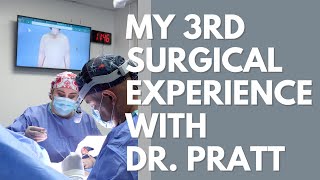
Surgery After Weight Loss Videos

Dr. Broc  Pratt

Schedule A Consultation

Contact Us

Procedures Included in a Body Contouring Plan

Most patients need more than one procedure to achieve a balanced result, and few should try to do everything at once. Sequencing protects healing and produces better aesthetic outcomes. Trunk-based procedures (abdomen, lower back) typically come first, with arms, thighs, and breasts addressed in subsequent stages.

Recovery between stages is usually three to six months. The Bespoke Approach means the plan is built around the patient, not around a fixed surgical menu.

Common procedures in a post-weight-loss plan include:

  • Tummy tuck or extended tummy tuck: removes excess abdominal skin and repairs separated muscles.
  • Panniculectomy: removes a heavy abdominal apron when contouring is not the primary goal.
  • Arm lift: removes loose upper-arm skin through a hidden incision.
  • Thigh lift: addresses redundant skin along the inner thighs and knees.
  • Breast lift, with or without augmentation: restores breast position and volume.
  • Liposuction: deflates stubborn areas before or alongside skin excision.
  • Lower body lift: a circumferential procedure for trunk-wide skin redundancy.

A circumferential incision is not always required, but when sagging skin involves the lower back and buttocks, it produces a more uniform mid-section.

Preparing for and Recovering From Body Contouring Surgery

Preparation starts months before the operating room. Stable weight, optimized nutrition, and honest conversations with your bariatric or primary care team support a smooth recovery. Most patients experience swelling, bruising, and discomfort during the first several weeks after surgery, and compression garments help refine the final contour.

Key milestones include:

  • Pre-surgery: maintain a stable weight for three to six months and stop smoking several weeks out.
  • Week one: rest, walking for circulation, and careful incision care.
  • Weeks two to four: gradual return to light activity with lifting restrictions.
  • Weeks four to six: most patients return to non-strenuous work.
  • Months two to six: swelling improves, and contours refine.
  • Final results: typically settle between six and 12 months.

What Does Body Contouring After Weight Loss Cost?

Cost varies based on the procedures performed, whether they are combined or staged, operating room time, and post-operative needs.

Factors that influence cost include:

  • Number and complexity of procedures in the plan.
  • Whether procedures are staged or combined.
  • Anesthesia and facility fees.
  • Compression garments and post-operative supplies.

Body contouring in Charlotte, NC typically ranges from $12,000 to $20,000 for a coordinated plan. Insurance occasionally covers a panniculectomy when documented skin conditions are present, but rarely covers aesthetic procedures.

Schedule Your Consultation for Body Contouring After Weight Loss in Charlotte, NC

You have already accomplished the hardest part. The next step deserves a surgeon who understands the bariatric history, the tissue changes, and the staging decisions behind every plan. Dr. Broc Pratt brings plastic surgery fellowship training, hands-on bariatric surgical experience, and the Bespoke Approach to every massive weight loss patient he sees.

Call (980) 375-9959 or request a consultation to start a plan exclusively designed for you.

Body Contouring After Weight Loss FAQs

When Is the Right Time for Body Contouring After Gastric Sleeve Surgery?

Most patients are appropriate candidates approximately 12 to 18 months after bariatric surgery, once weight has stabilized for three to six months, and your bariatric surgeon has cleared you. Patients who plateau earlier may sometimes proceed sooner with bariatric team approval.

Is Dr. Pratt's Anesthesia Team Familiar with Post-Bariatric Patients?

Yes. Dr. Pratt's anesthesia providers also work in the operating rooms of area hospitals where gastric bypass surgery is performed routinely. Dr. Pratt personally performed dozens of gastric bypass surgeries during his general surgery residency, so he is well-acquainted with the anatomical variations these patients present.

Will I Need a Circumferential (Belt Lipectomy) Incision?

Not always, but sometimes. Following a comprehensive consultation, Dr. Pratt will determine whether a circumferential incision is the right choice based on the amount and distribution of redundant skin. When sagging is present across the lower back and buttocks, a circumferential approach produces a more uniform, harmonious mid-section.

Does Dr. Pratt Take Insurance for Body Contouring?

In select cases, insurance may cover a panniculectomy when chronic skin infections, rashes, or hygiene issues are documented. Aesthetically driven procedures, such as a tummy tuck, arm lift, or breast lift are not typically covered.

How Does Dr. Pratt Decide the Order of Body Contouring Procedures?

Sequencing is built around your anatomy, your priorities, and your recovery capacity. Trunk-based procedures often come first, with arms, thighs, and breasts addressed in subsequent stages. Patient preference is always factored in, but the plan is grounded in what makes the most surgical and recovery sense.

How Long Will My Results Last?

Results are long-lasting when weight remains stable. Some weight regain is common over time, particularly in post-bariatric patients, but the quality-of-life benefits of body contouring are well-documented and durable.

Contact Us